UNeMed blog aims to keep inventors in the tech transfer loop

Comments Off on UNeMed blog aims to keep inventors in the tech transfer loop News

UNeMed was featured on the UNMC Today on August 20, 2012

UNeMed blog aims to keep inventors in the tech transfer loop

UNeMed has started a weekly blog called UNeBlog that focuses on technology transfer and related topics.

The blog aims to educate researchers about technology transfer and also inspire them to work with UNeMed on the commercialization of their inventions.

The blog also will feature interviews with active members of local/regional technology transfer community as well as news and announcements from the field of technology transfer.

View the original UNMC Today article here

Read article

Collaborations and Their Impact on Inventions and Patents

Comments (1) Blog

by Bill Hadley, UNeMed | July 31, 2012

Collaborating

Collaborations are an essential part of the research process.

An essential part of the research process is collaboration. As the reader is well aware, today’s most important solutions often involve complex systems which require the expertise of multiple parties to fully address. Take, for example, the sequencing of the human genome, completed (mostly) in 2003. The story of the Human Genome Project (HGP) is well-described elsewhere, but those familiar with the history of the HGP will recognize that it was supported by a long line of luminaries – both in academia and in industry – specializing in fields such as chemistry, biology, physics, engineering, computer science, and mathematics.

Many research projects, even if less ambitious in scope than the HGP, are not so different. At UNeMed, for example, we regularly foster collaboration between faculty at UNMC and engineers at UNL to develop innovative medical devices and software packages. Collaborations need not merely be an exchange of expertise, however. They can also involve an exchange of resources or tools. A researcher located here at UNMC, for example, may have identified a potential therapeutic target for a drug, but lacks the compound library necessary to identify a drug candidate. It is perfectly reasonable for that researcher to collaborate with an outside partner who has a compound library ready to be screened for potential hits.

While collaborations of this type occur on a regular basis, they do have interesting implications for the commercialization process. In this blog entry, I would like to take a few minutes to describe how collaborative research impacts the intellectual property rights to an invention that comes out of the collaboration. Furthermore I will discuss how UNMC – by way of UNeMed – handles the commercialization of collaborative technologies, both in the cases of academic-academic and academic-industry pairings.

Co-Ownership of Patents derived from Research Collaborations

Under 35 U.S.C. § 116, a patent is co-owned by each inventor of the invention claimed in the patent. Thus, if the claimed invention was invented in collaboration with multiple parties, the resulting patent will be co-owned by each party. This can lead to a number of issues which, if not addressed ab initio, can fester into more serious complications down the road.

First, a key point to consider is that, to be an inventor (and thus co-owner) on a patent, a party must have contributed to the conception of a claim found in the patent. Because the scope and nature of patent claims are often modified during the course of patent prosecution, it is common that collaborators – who may have initially been considered inventors at the time of the patent application – are subsequently eliminated from the inventor/ownership pool by the time the patent is issued. The problems this can cause within the collaboration are obvious.

The second problem with co-ownership of a patent is that, similar to personal property interests, a co-owner of a patent has a “50% undivided share” (if two co-owners) of the property rights. Co-owners to property have a number of rights in the property, but the most important for our purposes is an unrestricted right of access to it. This can make commercializing the patent difficult, because the value of a patent is greatly diminished if it does not provide exclusivity.

Take, for example, the following situation: a UNMC researcher co-invents a patentable invention with a collaborator. A few years later, the patent is subsequently issued with UNMC and the collaborator as co-owners. Nevertheless, the invention still requires significant investment (e.g. 510(k), IND, etc.) to develop it to the point where it can be sold as a product or otherwise be utilized in the public interest. UNeMed wants to license UNMC’s rights in the patent to an industrial partner to further develop the invention, but the collaborator does not wish to license the patent. Instead, the collaborator wants to hold on to the patent and build a company around it himself (UNeMed is not keen on this idea, as – for purposes of this hypothetical – the collaborator is a wildly inexperienced businessman).

In this situation, UNeMed will have difficulty finding an industrial licensee who is willing to invest in the patented technology because the collaborators equal right of access to it – by virtue of the collaborator’s status as a co-inventor/owner – provides an immediate competitor to the licensee. Why would UNeMed’s licensee want to invest the money to develop the technology when the collaborator (or the collaborator’s licensee) can come in later and cut into their market share with no investment at all? By a similar token, the collaborator will have a difficult time finding venture or other funding to build his company due to UNeMed’s outstanding rights.

This is clearly a worst-case scenario, but it is illustrative of the problems that can occur when co-ownership rights in a patent are not addressed ahead of time. So how are these issues resolved? Generally, most research collaborations by UNMC faculty are of two types: academic-academic (including other non-profits) and academic-industry. Based on the interests and commercialization capabilities of the collaborating entity, the nature of the solution may change based on which type of collaboration has occurred.

Academic-Academic Collaborations

When the collaborating party is another academic institution, it is typical for the institutions to put in place an Inter-Institutional Agreement (“IIA”) once an invention is generated. The IIA contractually outlines each party’s rights in the co-owned intellectual property. For example, the common IIA will consolidate patent rights and establish which entity is responsible for marketing and prosecuting the patent. It will also determine what the distribution of proceeds will be if a licensee is found (typically the institution which is taking the lead takes a higher percentage of proceeds). In circumstances where UNeMed does not take the lead on patent prosecution, provisions are included in the agreement giving UNeMed rights to oversee the prosecution of the patent such that UNMC’s rights in the patent are not inequitably terminated in the course of prosecution.

Academic-Industry Collaborations

This agreement is different when a UNMC researcher has collaborated with an industry researcher. Generally, in these circumstances, the company is interested in pursuing the invention – why else would their researcher be working on it – and therefore it is simply a matter of licensing (or giving an option to) UNeMed’s rights in the co-owned patent. Conversely to an IIA, in an academic-industry collaboration contractual agreements overseeing the patent rights are put in place before the intellectual property is generated. Moreover, in these circumstances, UNeMed generally retains control, subject to the company’s input, of patent prosecution as well.

UNeMed is here to help

If not handled properly, collaborations have the potential to be painful experiences for researchers interested in commercializing their intellectual property. Fortunately, with a little foresight, nearly every major hurdle to the commercialization process can be anticipated and addressed with the help of UNeMed. If you are currently engaged in (or are contemplating in engaging in) a research collaboration with an outside entity that may produce commercializable intellectual property, please do not hesitate to give us a call – we’re happy to help in any way we can. Here, of all places, we should realize that an ounce of prevention is worth a pound of cure.

Please leave any questions or suggestions you may have in the comment section below.

You can also shoot me an email at bill.hadley@unmc.edu  

Nothing in this post should be construed as legal advice.  It has been developed by the UNeMed staff as an educational resource for faculty, staff, students, and other personnel associated with the University of Nebraska Medical Center.  While all information contained herein has been thoroughly fact-checked, this site is provided on an “as is” and “as available” basis.   Neither UNeMed nor the University of Nebraska Medical Center make any representations or warranties of any kind, express or implied, as to the site’s operation or the information, content or materials included on this site.   To the full extent permissible by applicable law, UNeMed and the University of Nebraska Medical Center hereby disclaim all warranties, express or implied, including but not limited to implied warranties of merchantability and fitness for any particular purpose.   Neither UNeMed nor the University of Nebraska Medical Center will be liable for any damages of any kind arising from the use of or inability to use this site. You expressly agree that you use this site solely at your own risk.

Read article

The Need for Material Transfer Agreements

Comments Off on The Need for Material Transfer Agreements Blog

by Bill Hadley, UNeMed | July 25, 2012

The University of Nebraska has many of the nation’s brightest minds conducting research at its facilities. These innovators often work with other organizations to solve some of the world’s most difficult problems through various research projects. In order to complete a given project, it is often necessary for a University of Nebraska Medical Center (UNMC) researcher to provide or borrow materials from other entities. To protect their contribution to the research (which may include commercializable intellectual property), universities use various contractual instruments, such as a material transfer agreement (MTA), to protect their interests.

Although an MTA itself does not generate revenue, it sets the stage for future licensing contracts. UNMC’s total revenue for 2011-2012 was $602.5 million, portions of which were due to revenue generated from intellectual property. An MTA outlines which party to the agreement owns intellectual property developed from use of the materials. If UNMC retains ownership to this intellectual property, it is often able to license these rights to an industrial partner and garner royalties, thereby both increasing research funds available to UNMC generally and providing additional financial compensation to the researcher.

Each party to an MTA has a slightly different form that it prefers. If the parties are universities, the exact terms and conditions for each MTA are typically negotiated by the technology transfer offices of the two institutions. This process is generally not too time consuming, as most universities have similar interests.

MTAs may become more complicated when one party is a for-profit entity. This is for obvious reasons: universities are interested in disseminating research results, whereas for-profit corporations focus primarily on generating profits from their materials. Nevertheless, industry-university MTAs are quite common, though the terms of the agreements may require more negotiation.

While it is simple enough to contact UNeMed and ask us to get an MTA in place, researchers also play an important role in MTA formation. By providing descriptions of research plans and descriptions of the materials transferred, the researcher delivers key elements used to draft the MTA and to outline the permitted use of the materials. Since researchers are also responsible for providing or accepting the materials transferred, they read, review, and sign the final MTA to acknowledge awareness of any special conditions that must be observed.

Although MTAs may require some advanced planning to avoid delays in research, they serve an important purpose. MTAs lay the foundation for individual and institutional financial gain, and protect the materials and intellectual property in which universities have rights. These agreements also protect future intellectual property and the researchers’ rights to publish research results. Protections like these are necessary for the existence and mission fulfillment of federally-funded universities. With these protections in place, the brilliant minds employed by UNMC can focus on their research with peace of mind that their contributions will be protected and properly attributed.

Steps for receiving materials from organizations:

  1. Obtain organization’s contact information (“Provider”).
  2. Prepare a brief description of materials to be received.
  3. Write a brief (2-3 sentences) project plan or description, outlining the intended use of the materials.
  4. Contact UNeMed Contracts Manager, Jeff Andersen, at jeff.andersen@unmc.edu or 402-559-3274. Provide project and material descriptions and a copy of any MTA that Provider may have forwarded to you.  If you have not already obtained a copy of Provider’s standard MTA, UNeMed will do so in order to review the terms of the MTA.
  5. UNeMed and Provider will enter into negotiations until a finalized MTA is agreed upon.
  6. UNeMed will supply the finalized MTA for you to read, review, and sign.
  7. Send signed MTA to UNeMed, who will then review and sign.
  8. MTA is executed by Provider. UNeMed provides a copy of the fully-executed MTA to the researcher, and materials soon follow.

Steps for transferring materials to organizations:

  1. Obtain organization’s contact information (“Recipient”).
  2. Prepare a brief description of materials to be transferred.
  3. Obtain from the Recipient’s principal investigator a brief paragraph of project plan or description, for which materials will be used.
  4. Contact UNeMed Contracts Manager, Jeff Andersen, at jeff.andersen@unmc.edu or 402-559-3274.. Provide project and material descriptions. UNeMed then sends a copy of UNMC’s standard MTA to Recipient to begin negotiations.
  5. UNeMed and Recipient will enter into negotiations until a finalized MTA is agreed upon.
  6. UNeMed will supply the finalized MTA for you to read, review, and sign.
  7. Send signed MTA to UNeMed, who will then review, sign, and return it to the Recipient.
  8. MTA is executed by Recipient. UNeMed provides a copy of the fully-executed MTA to the researcher, who can then transfer the materials to the Recipient.

For questions regarding MTAs contact Jeff Andersen at jeff.andersen@unmc.edu or 402-559-3274.

For additional information regarding MTAs, we recommend the following:

Join us next week for a discussion about collaborations


Nothing in this post should be construed as legal advice. It has been developed by the UNeMed staff as an educational resource for faculty, staff, students, and other personnel associated with the University of Nebraska Medical Center. While all information contained herein has been thoroughly fact-checked, this site is provided on an “as is” and “as available” basis. Neither UNeMed nor the University of Nebraska Medical Center make any representations or warranties of any kind, express or implied, as to the site’s operation or the information, content or materials included on this site. To the full extent permissible by applicable law, UNeMed and the University of Nebraska Medical Center hereby disclaim all warranties, express or implied, including but not limited to implied warranties of merchantability and fitness for any particular purpose. Neither UNeMed nor the University of Nebraska Medical Center will be liable for any damages of any kind arising from the use of or inability to use this site. You expressly agree that you use this site solely at your own risk.

Read article

Case Study: Dr. Gaymalov and NeuroNano Pharma

Comments Off on Case Study: Dr. Gaymalov and NeuroNano Pharma Blog

by Agnes Lenagh, UNeMed | July 18, 2012

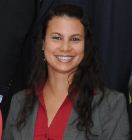
ZagitMany researchers are drawn to the biomedical field by the dream of improving people’s lives. While biomedical research alone may be a career path of choice for some, others take their findings to a whole new level.

Zagit Gaymalov, PhD, clearly falls into the latter group. “When I was a graduate student, I often wasn’t satisfied with the answers my research provided. [Many times] there’s a big gap between experimental outcome and clinical efficacy of [new] drugs. I imagined research we did in the Center For Drug Delivery and Nanomedicine (CNND) [could] become a real product.”

Fortunately, his PhD advisor at the time, UNMC faculty member Dr. Alexander “Sasha” Kabanov shared Zagit’s passion for translational research. Together they decided to select technologies that showed best the translational potential and work on taking them to the market through a newly-created start-up company,NeuroNano Pharma. NeuroNano’s leading technology, PluroMAC, is the basis of a drug LeptiPOL formulated for intranasal administration to treat obesity. Several other technologies are also in development to address diseases like Alzheimer’s and Parkinson’s, as well as stroke.

UNeMed has also played an important role in NeuroNano’s formation. Drs. Gaymalov and Kabanov approached UNeMed with the idea for the biotech startup and the parties have recently entered into negotiations for licensing agreement including the PluroMAC technology. This is important, because, although Dr. Kabanov was an inventor in all the technologies that the NeuroNano selected for development, the Board of Regents of the University of Nebraska is assigned all patent rights for technologies developed by UNMC faculty. Thus, NeuroNano had to license the rights to make, use, sell, offer for sale, and import patented technologies from the university.

Today, Dr. Gaymalov is a recent graduate of the College of Pharmacy Department of Pharmaceutical Sciences and the chief executive officer (CEO) of this new startup company called NeuroNano Pharma (As a side note, we recommend reading a post by Tara Hunt to better understand what a CEO of a start-up company really does.NeuroNano

While LeptiPOL is still in early preclinical trials to test its potential to lower food intakeand body fat, Dr. Gaymalov is raising funds and spreading the word about his company. His participation in competitions such as the LES Business Plan Competition, which NeuroNano attended earlier this spring, helps with both.

Early stage fund raising is always a great challenge for startups (we will be covering the challenges of early-stage fundraising, often referred to as “valley of death”, in a later post). NeuroNano is currently seeking up to $13M to advance LeptiPOL to Phase II clinical trials. Partnership with a large pharmaceutical company will then be necessary to further continue and complete development of the drug candidate. Patience will also be needed, as the time required to complete drug development is currently expected to be around 15 years.

None of this would be possible without the continued passion and dedication of the founders and management team. Drs. Kabanov and Gaymalov understand that the path to success will not be easy, but the fact that over 30% of people in the US are obese is what fuels their passion – this is their opportunity to make people’s lives better.

Read article

Research Tools

Comments Off on Research Tools Blog

by Agnes Lenagh, UNeMed | July 10, 2012

Many of you have probably seen some of our posters asking investigators to submit their research tools to our office, so we can commercialize them. However, you may be asking yourself, “what exactly is a research tool and why would they be valuable?”
Flyer for Research Tools

Research tools are items that you created in your lab and use to perform day-to-day experiments. Common examples of research tools include antibodies, cell lines, mouse models, small molecules, chemical reagents, growth media, and many other types of materials. These research materials are usually created by a researcher to help complete experiments or research projects so that they can obtain data for publications and grants. Sometimes, however, these research tools can have much broader value and utility.

Many research tools can become integral parts in drug discovery and drug development. Pharmaceutical companies often require research materials, such as cell lines or mouse models, to help in various aspects of drug development. Instead of using their time and money to develop these research tools internally, companies often seek to obtain them from outside sources including universities.

Furthermore, research tools like antibodies and small molecules, assuming they do not have any direct therapeutic applications, are items that can be developed rather quickly into products for the research market. There are numerous companies, many of which you are probably familiar with, that sell antibodies, chemicals, culture media, etc. What may surprise you is that many of these products were originally created in universities like UNMC.

UNeMed uses license agreements to transfer research tools to companies (a licensee) and to restrict or limit what they can do with the research tools. Typically, these licenses can be broken up into two types: a license that allows for the sale of the research tool by the licensee or a license that only allows the licensee to use the research material for internal research projects.

So, what’s in it for you?

When UNeMed licenses a research tool we generally seek upfront license fees and royalties, assuming the research material is going to be sold by the licensee. Money that is generated through the license agreement is then shared with the researcher and can help fund additional work in their laboratory.

So, who knows? Maybe you have a key research material sitting in your freezer and it could be a valuable tool for drug discovery or could be the next big seller in the research tools market.

If you have any questions about research tools or think you have a research tool that may have potential value outside of your laboratory, please contact Matt Boehm and he would be happy to discuss the possibility of commercializing your research material.

Next week we will be discussing Material Transfer Agreements and how these can be used to share research tools while protecting their intellectual property.

Read article

UNMC pair’s malaria drug hailed as ‘major milestone’

Comments Off on UNMC pair’s malaria drug hailed as ‘major milestone’ News, Success Stories

by Rick Ruggles, Omaha World-Herald

OMAHA, Neb. (July 6, 2012)—A drug created at the University of Nebraska Medical Center has been deployed to fight malaria in India.

The drug, called Synriam, uses the findings of Jonathan Vennerstrom and Yuxiang Dong, scientists in UNMC’s College of Pharmacy.

It’s the first approved drug invented at UNMC in at least 10 years, said Michael Dixon, CEO of UNeMed Corp. UNeMed commercializes research for UNMC scientists.

UNeMed gave the compound’s rights to Medicines for Malaria Venture, an international group that battles malaria with the help of the Bill & Melinda Gates Foundation and other organizations. There is little profit in malaria medications in industrialized nations such as the United States, Dixon said, because malaria has been virtually defeated in them.

The countries where malaria continues to cause havoc, such as sub-Saharan African nations, can’t afford to pay much for the drugs.

The World Health Organization estimates that 216 million malaria cases occur worldwide each year, killing about 655,000 people. Most deaths occur in Africa, the WHO says.

Vennerstrom, a UNMC scientist since 1987, spent much of his childhood in Ethiopia, where his parents were missionaries. He saw people sickened by malaria, which is caused by a parasite carried by mosquitoes. Symptoms include fever, chills, body aches, lethargy and nausea.

As a scientist, Vennerstrom knew the chemical makeup of a natural Chinese product called artemisinin, which is used in some anti-malaria drugs. He said a considerable amount of the plant material must be harvested to produce a small quantity of anti-malarial medicine.

Vennerstrom also knew, from scientific literature, that a German laboratory had identified a new chemical reaction using ozone that might produce chemicals similar to the natural product. The German lab wasn’t working on a malaria drug, however.

Vennerstrom asked the head of the German lab whether he had a scientist who could come to Omaha to work with him on a malaria medication. Dong, a postdoctoral scientist, joined Vennerstrom in 1997.

“Timing is everything,” Dong said.

Dong, 49, grew up on a farm in China and had suffered malaria as a boy 44 years ago. “I remember my mom carried me to the small clinic,” Dong said.

He was shivering and lethargic. He suspects that clinicians gave him a medicine made with artemisinin.

Vennerstrom and Dong developed a synthetic compound with similarities to the natural Chinese anti-malarial substance.

It took about three years and many starts and stops.

“Drug discovery’s unpredictable,” Vennerstrom said. “You don’t design a drug like you design a house.”

They had hit upon a promising prototype by about 2000. Then they partnered with scientists in Switzerland, Australia and Great Britain for, among other steps, testing on animals and humans.

Vennerstrom said Medicines for Malaria Venture turned the compound over to Ranbaxy Laboratories, India’s top drugmaker, which launched the drug for adults in India this year.

MMV’s chief scientific officer, Tim Wells, said via email that the drug is “a major milestone.”

“We look forward to more data from patients in Africa and from studies with children, since this is where the vast majority of the disease is,” Wells said.

Synriam requires three doses to knock out malaria, and another compound discovered by Vennerstrom and Dong offers the potential for a single-dose cure. The same international team has worked to bring that drug to the finish line. It’s currently in human trials.

So far, the Omahans have celebrated with typical Midwestern modesty. “I guess we went out to the China Buffet one day,” Vennerstrom said.

Contact the writer:

402-444-1123, rick.ruggles@owh.com

Read article

Maintaining Confidentiality: Confidential Disclosure Agreements

Comments Off on Maintaining Confidentiality: Confidential Disclosure Agreements Blog

by Bill Hadley, UNeMed | July 3, 2012

On December 12, 1980, Congress enacted legislature commonly known as the Bayh-Dole Act. This legislature contributed to a major change in university facilitated research and development.  Under the Bayh-Dole Act,   universities may now retain title to inventions created under federally-funded research programs. Based on this policy, the act has helped generate a significant increase in the amount of patents and licenses owned by U.S. research universities. (See, McCowery, David C., et al. The Effects of the Bayh-Dole Act on U.S. University Research…, pp25-29).

Accordingly, after the passing of the Bayh-Dole Act, universities’ policies regarding intellectual property began to change. For example, universities began requiring researchers to report inventions created through university research programs in order to protect valuable intellectual property (See, UNMC Policy No: 8000(7)(H)).  Moreover, with the increase in the number of patents held by universities, many institutions were forced to update their procedures for protecting their intellectual property rights.

One method of protecting intellectual property is the confidential disclosure agreement (CDA), also known as a nondisclosure agreement (NDA) or secrecy agreement. The CDA protects the exchange of confidential information that is not yet ready for patenting or publication. This protection is invaluable since unprotected disclosure may result in a loss of U.S. and foreign patent rights.

As discussed previously, unprotected disclosure of university research and development may bar patentability under United States Patent Law. To help protect U.S. and foreign intellectual property rights, researchers should be careful about discussing the details of their research.

When discussing research that is not publicly known, researchers should consult with UNeMed and use the CDA to help protect against disclosures that may bar patentability. By using a CDA researchers can show that any disclosure that was made to a party to the agreement was not meant to be public, but was, in fact, confidential.

How can you, as a researcher, benefit from a CDA?

CDAs can be very useful in furthering research and development. The confidentiality provided by CDAs allows the parties to the agreement to openly share information concerning the research project, even if the information is not yet published or patented.

This open exchange increases the progression of the research project. While the project progresses, the possibility for finding scientific breakthroughs and marketable intellectual property also increases.

The progression of research and development can mean not only an increase in knowledge, but also an increase in University revenue. This is because with more marketable intellectual property discovered, more licensing agreements will be formed. From those licensing agreements, royalties will be paid and UNMC researchers generally receive a portion of the net royalties.  Royalty distributions and licensing agreements will be the topic of discussion in future posts.

Steps for entering into a CDA

There are usually three different scenarios when a CDA will be used. First, when another organization wants to receive confidential information from UNMC; second, when UNMC wants to receive confidential information from another organization; and third, when UNMC and another organization collectively want to share confidential information with each other. The following generally outlines the steps for each scenario:

  1. A UNMC researcher plans to enter into discussions about research being conducted at UNMC with another organization (because that organization needs information from UNMC, UNMC needs information from that organization, or they both need information from the other).
  2. The UNMC researcher should not disclose any confidential information, but should obtain that organization’s contact information as well as a description of the information to be discussed (if the need for information lies with UNMC alone, the researcher can request the organization’s standard CDA as well).
  3. The UNMC researcher should contact Jack Mayfield, Contract Specialist at UNeMed, jack.mayfield@unmc.edu, and provide the organization’s contact information and the description of information to be discussed (and the organization’s standard CDA, if applicable. See steps 2 &4).
  4. UNeMed will then send our standard CDA for the organization’s review (unless it is the case that UNMC unilaterally needs information from the other organization; in that case, the other organization usually provides their standard CDA).
  5. The UNMC and the organization accept the terms as they are, or they enter into negotiations to reach mutually agreeable terms.
  6. UNeMed sends the CDA to the UNMC researcher to read and review for acknowledgment of special conditions. The UNMC researcher should sign the CDA and return a signed copy to UNeMed (via email or campus mail).
  7. UNeMed then signs the CDA and sends a copy of the fully executed agreement to both the researcher and the other organization. The UNMC researcher may then discuss the confidential research information, as outlined in the CDA, with the other organization.

For questions regarding CDAs or any of the above procedures, contact: Jack Mayfield, Contract Specialist at UNeMed, jack.mayfield@unmc.edu.

Nothing in this post should be construed as legal advice.  It has been developed by the UNeMed staff as an educational resource for faculty, staff, students, and other personnel associated with the University of Nebraska Medical Center.  While all information contained herein has been thoroughly fact-checked, this site is provided on an “as is” and “as available” basis.   Neither UNeMed nor the University of Nebraska Medical Center make any representations or warranties of any kind, express or implied, as to the site’s operation or the information, content or materials included on this site.   To the full extent permissible by applicable law, UNeMed and the University of Nebraska Medical Center hereby disclaim all warranties, express or implied, including but not limited to implied warranties of merchantability and fitness for any particular purpose.   Neither UNeMed nor the University of Nebraska Medical Center will be liable for any damages of any kind arising from the use of or inability to use this site. You expressly agree that you use this site solely at your own risk.

Read article

UNeMed welcomes aboard Dr. Madsen, our Entrepreneur in Residence

Comments (3) News

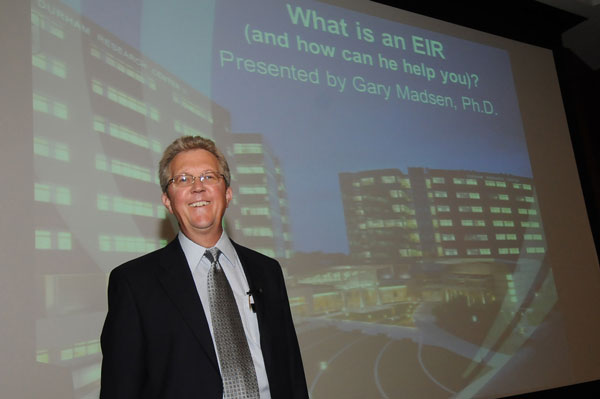
OMAHA, Neb. (June 29, 2012)—UNeMed, the technology transfer office for the University of Nebraska Medical Center (UNMC), is pleased to announce the addition of Gary Madsen, PhD to the position of Entrepreneur in Residence.

In this role, Dr. Madsen will help identify promising UNMC technologies that have the potential to form the basis of a new startup company. He will be responsible for establishing partnerships between industry, faculty, clinicians and funding sources in order to develop new business ventures based on novel technologies.

Dr. Madsen holds a PhD in Medical Microbiology from Creighton University School of Medicine in Omaha, NE. “I’m very pleased to be back in Nebraska and look forward to helping UNeMed commercialize the exciting biotechnology discoveries coming out of the Medical Center.  I truly believe that there is great potential for dramatic expansion of the vibrant biotech community in the Cornhusker State.”

He joins the UNeMed team following a successful career in biotechnology product and business development. Dr. Madsen comes to us from Madison, Wisconsin where he recently formed a consulting firm, Biotech Resolutions. Previously, he worked in several biotech companies in Madison, such as Gilson, Third Wave Technologies (Hologic), Promega and EraGen Biosciences. Dr. Madsen started his biotechnology career at Abbott Laboratories diagnostics division in suburban Chicago and then served as Vice President of R&D at IDEXX Labs in Westbrook, Maine.

Dr. Madsen comes to UNeMed with over 30 years of experience in building new technologies into real diagnostic and life science products. He will provide UNeMed with his knowledge and support on licensing, product development, manufacturing, and new technology commercialization.

Dr. James Linder, President of the University Technology Development Corporation states, “The Entrepreneur in Residence program was funded by the University of Nebraska to enable UNMC, and other campuses to bring unique skills to the process of technology development and commercialization.  Dr. Madsen has a wealth of industry experience that will help UNeMed staff, and the faculty bring  our inventions into clinical use.”

About UNeMed:

UNeMed is dedicated to working with the faculty and staff of UNMC to commercialize innovative ideas that have the potential to improve public health for Nebraska residents and beyond. Through collaborations with established industrial partners or through the creation of new companies, UNeMed’s focus is on the transfer of new and improved products and processes from the research bench to the market place.

Read article

Oops, I did it again: Public Disclosure

Comments (1) Blog

by Bill Hadley, UNeMed | June 26, 2012

Part of our work at UNeMed includes reading through the published research from UNMC. When we identify a possible invention we immediately contact the researcher so we can begin evaluating the invention. We recognize that the primary concern of our faculty is their ability to publish on their research. As an institution of higher learning, the dissemination of knowledge from its faculty is clearly – and rightfully – UNMC’s highest priority. On the other hand, the patent law discourages inventors from disclosing their innovations to the public prior to filing an application for a patent – often with strict penalties.  Managing this conflict is one of UNeMed’s most important functions.

As you might imagine then, due to these conflicting paradigms, we are constantly balancing the desires of our faculty to publish with the university’s desire to commercialize upon the value of their research. When there is an unavoidable conflict between the ability to publish and the ability to patent, the publication rights must come first. When looking at disclosures that come out of the university – in terms of publications, presentations, or posters, to name a few – we are primarily concerned with eliminating “enabling public disclosures” of patentable subject-matter. If a given disclosure is both ‘public’ and ‘enabling’, it can have severe ramifications on the patentability prospects of an invention contained therein. That being said, a researcher armed with a prior knowledge of the patent law – and some foresight – can navigate these oft-confusing waters and successfully publish their work and preserve their patent rights at the same time.

With that in mind, let’s look at what, exactly, constitutes an enabling public disclosure, what the effect of such a disclosure is, and how you can take steps to prevent an inadvertent disclosure of your invention.

A disclosure is “public” if interested members of the public could obtain access to the disclosure of the invention if they so desired (Constant v. Advanced Micro-Devices Inc. , 848 F.2d 1560 (1988)). Note that under this standard there is no requirement that members of the public actually accessed the information and all that is required is that they could have.  Thus, a single copy of a graduate thesis, which sat on a library shelf for a number of years in a university library without being checked out, was found to be a public disclosure because the university had a catalog system which would have allowed a member of the public to find the thesis, were they so inclined (In re Hall , 781 F.2d 897 (1986)).

A disclosure is “enabling” if it teaches someone of ordinary skill in the art how to devise the invention without undue experimentation (Struthers Scientific & Intern. Corp. v. Rappl & Hoenig Co., 453 F.2d 250 (1972)). Examples of enabling disclosures that commonly take place in an academic setting are research presentations, journal submissions, federal grant applications (which may or may not be considered “public” based on the application’s availability under a Freedom of Information Act request), postings on individual lab websites, a thesis or dissertation, and meetings with companies or colleagues outside of UNMC where there is no confidentiality agreement in place.

The relevant statute when one looks at public disclosures of an invention is 35 U.S.C. § 102(b). Assuming, for the moment, that the claimed invention meets the threshold criteria of novelty, usefulness, and non-obviousness, 35 U.S.C. § 102(b) provides another restriction relating to the inventor’s use of the patented invention prior to their application for a patent.

There is a lot packed into §102(b), but the take-home message is this: to be eligible to receive a patent in the U.S., the claimed invention must not have been previously publicly disclosed (by the inventor or anyone else) more than one year prior to the date of application. Thus, for a U.S. patent, a public disclosure starts a clock: an inventor has one year from the date of the enabling public disclosure to file for patent protection – whether the invention is ready or not. (This rule will be subtly changed under the America Invents Act. When the relevant provision comes into effect, we will update this post accordingly. For now, however, this is the applicable rule.)

For patents filed in a foreign country, the Patent Cooperation Treaty (“PCT”) specifies, among other things, rules relating to patent eligibility.  Rule 64 of the PCT is even less forgiving than §102(b); under Rule 64.1(a) , for patents filed internationally, there is no one-year grace period. Any written disclosure of the claimed invention prior to the filing date automatically removes eligibility to receive a patent. This means that as soon as you publicly disclose your invention, you lose the international patent rights and your work will no longer be protected in the international market.

If these rules seem rather vague, you are clearly reading them properly. Fortunately, there are a number of steps that can be taken to prevent an enabling public disclosure of a potentially patentable invention. While there is a grace period for a U.S. patent, given the strict rules internationally, we always strive to protect patentability prior to any enabling public disclosure.

The easiest way to protect your rights (and UNMC’s) is to work with us. If you believe your research may contain potentially patentable subject-matter, please contact UNeMed. We are always interested to hear about your research and we deal with this issue on a daily basis. Odds are, we can provide guidance in a matter of minutes. If, after discussing your research, we think that a patent is possible, we can look at the type of disclosure that you would like to make and take steps designed to preserve future patent rights (such as filing a provisional patent application or putting in place a confidentiality agreement).

Finally, here are some other things you may want to keep in mind in order to prevent an inadvertent enabling public disclosure of your patentable invention:

  1. Consider sending UNeMed journal manuscripts, speech notes, or poster images prior to submission or public display. Often we can review these in a matter of hours and provide feedback or file a provisional patent application.
  1. Let us know if industry contacts you about your research or to contract for your services.  A simple CDA can protect against an accidental slip of the tongue without hindering your relationship with the company.
  1. When submitting a state or federal grant application, list as confidential the pages of the application which contain a description of potentially patentable subject-matter and write “CONFIDENTIAL” on each identified page.
  1. To preserve confidentiality of a thesis, request that the thesis be kept in a secure section of the library and not be made available to the public until patent protection is in place.
  1. Oral disclosures such as departmental seminars or thesis defenses may also be public disclosures, based on the ability of a member of the public to attend. If a potentially patentable invention will be discussed in one of these meetings, you may want to contact UNeMed.

UNeMed strongly supports the UNMC community’s interests in public dissemination of knowledge, academic freedom, and open collaboration. Fortunately, with a little foresight, it is possible to fulfill all of these prerogatives while preserving patent rights in the results of that work. If you are contemplating a public disclosure of your research and feel that there may be patentable subject-matter discussed therein, please don’t hesitate to contact us. Rest assured, we share the same goals you do and will be happy to discuss all avenues available to satisfy both your and UNMC’s interests.


Please leave any questions or suggestions you may have in the comment section below.  You can also shoot me an email at bill.hadley@unmc.edu. I will be happy to address any thoughts you may have.


Nothing in this post should be construed as legal advice.  It has been developed by the UNeMed staff as an educational resource for faculty, staff, students, and other personnel associated with the University of Nebraska Medical Center.  While all information contained herein has been thoroughly fact-checked, this site is provided on an “as is” and “as available” basis.   Neither UNeMed nor the University of Nebraska Medical Center make any representations or warranties of any kind, express or implied, as to the site’s operation or the information, content or materials included on this site.   To the full extent permissible by applicable law, UNeMed and the University of Nebraska Medical Center hereby disclaim all warranties, express or implied, including but not limited to implied warranties of merchantability and fitness for any particular purpose.   Neither UNeMed nor the University of Nebraska Medical Center will be liable for any damages of any kind arising from the use of or inability to use this site. You expressly agree that you use this site solely at your own risk.

Read article

UNeMed at BIO2012 convention

Comments Off on UNeMed at BIO2012 convention Blog

UNeMed is looking forward to the BIO2012 convention in Boston next week.

Come visit us at booth 2722! We have prepared new materials that highlight our diverse portfolio of intellectual property. In addition to printed materials, this year we will be handing out flash drives containing information about UNeMed and key technology that represents significant advances in biomedical and clinical technology being developed at UNMC.

We will also be participating in the BIO Partnering Business Forum. If you’re looking for some 1 on 1 time with us, this is the perfect opportunity to meet up with us.

Don’t forget to follow us on Twitter @UNeMed so you can stay up-to-date with the latest happening at the convention. We will be using #bio2012 to connect with everyone at BIO2012.

Hope to see you there!

Read article

What is a Patent?

Comments (4) Blog

by Bill Hadley, UNeMed | July 19, 2012

As many of you reading this blog already know, our primary goal here at UNeMed is to commercialize technology developed at UNMC.  In order to do this, we take technologies generated from research performed on campus and partner with outside companies – or spin out start-ups – in order to develop the technology to the point where it is able to be used, sold, distributed or otherwise utilized in the public interest.

While we could spend weeks blogging about the nuances of the commercialization process  – and intend to do so! – I would like to take a few moments to discuss the cornerstone of UNeMed’s commercialization efforts:  patents.  An understanding of what patent rights are – and what they are not – is essential to appreciating the commercialization process.

The basis for the U.S. patent system is found in Art. 1, § 8 of the Constitution, which states:

“Congress shall have power…to promote the progress of science and the useful arts by securing for limited times to authors and inventors the exclusive right to their respective writings and discoveries…

At its core, this clause represents two competing interests.  On one hand, we want innovators to invest their time, resources, and creativity into developing new and useful inventions that will contribute to society.  On the other, we want society to understand, improve upon, and ultimately benefit from the innovator’s work.

To this end, the patent system strikes a balance.  In return for their creative and financial investments, as well as their willingness to disclose the nature of their innovation to the general public, Congress has granted inventors a time-limited monopoly over the use of a patented invention for a period of 20 years from the date of application to the United States Patent and Trademark Office (USPTO).  In return, all patents are published for public study and evaluation, and, after the 20-year monopoly has expired, become freely usable.  In this way, society as a whole benefits from the creation and disclosure of the invention, while the inventor himself has the opportunity to  capitalize on his rights to the invention under the government-sanctioned monopoly.

With the intent behind the patent system firmly in hand, let’s turn now to the scope of the monopoly granted by an allowed patent.  Under 35 USC § 271(a), a patent provides its owner with the exclusive rights to do the following:

  1. Make the patented invention
  2. Use the patented invention
  3. Sell the patented invention
  4. Offer to sell the patented invention, and
  5. Import the patented invention

In other words, a patent does not authorize or entitle the patent holder to make, use, sell, offer to sell, or import their invention; it only gives the owner the power to prohibit others from doing so.  I’m going to repeat that one more time, so it’s clear:

A patent does not give its owner the right to do anything except prohibit others from making, using, selling, offering to sell, or importing the patented invention.

Thus, receipt of a patent is in no way a guarantee or indication as to the value or profit-generating abilities of the invention. Instead, patents allow inventions which have independent value to the market to capitalize on that value without fear of a competitor copying the invention and undercutting the patent holder’s market share.

This description is only the tip of the iceberg when it comes to understanding how the patent system functions.  There are myriad other nuances, rules, procedures, and technicalities that exist in our domestic patent system and these complications only increase when one considers filing for foreign patents.

While I will be discussing many of these topics in the coming weeks, keep in mind that these entries are not intended to make experts out of the reader.  Instead, they will (hopefully) provide you with a passing familiarity with the relevant terms, procedures, and rules, in the hopes of providing context for understanding the overall university technology commercialization process.

If that encourages a few of you to take advantage of the services UNeMed provides, so much the better.


Please leave any questions or suggestions you may have in the comment section below.

You can also shoot me an email at bill.hadley@unmc.edu.

I will be happy to address any thoughts you may have.

Nothing in this post should be construed as legal advice.  It has been developed by the UNeMed staff as an educational resource for faculty, staff, students, and other personnel associated with the University of Nebraska Medical Center.  While all information contained herein has been thoroughly fact-checked, this site is provided on an “as is” and “as available” basis.   Neither UNeMed nor the University of Nebraska Medical Center make any representations or warranties of any kind, express or implied, as to the site’s operation or the information, content or materials included on this site.   To the full extent permissible by applicable law, UNeMed and the University of Nebraska Medical Center hereby disclaim all warranties, express or implied, including but not limited to implied warranties of merchantability and fitness for any particular purpose.   Neither UNeMed nor the University of Nebraska Medical Center will be liable for any damages of any kind arising from the use of or inability to use this site. You expressly agree that you use this site solely at your own risk.

Read article

University Startup Seminar is Wednesday, May 30, 2012

Comments Off on University Startup Seminar is Wednesday, May 30, 2012 Blog

OMAHA, Neb. (May 28, 2012)—Most students are led to graduate school by dreams of making a significant discovery or inventing a lifesaving drug. However, slightly  less than half of all graduates receiving a PhD degree will continue to pursue their dreams in academic institutions, according to statistics. However, this doesn’t mean that the rest have to say goodbye to their dreams. An alternative career in a biotech startup is one of the opportunities that may turn out as rewarding.

Join us at noon on May 30th in the DRC Auditorium to learn about career opportunities in a biotech startup company. Dr Zagit Gaymalov will speak about what it takes to start a business and what it’s like to run one. Dr Gaymalov received his PhD degree from UNMC Pharmaceutical Sciences Graduate Program and continues his career as a technology transfer professional with UNeMed Corporation and CEO of NeuroNano Pharma, a biotech business he started with his PhD advisor Dr Alexander “Sasha” Kabanov.

Read article

UNeBlog, UNeMed’s Technology Transfer Blog

Comments Off on UNeBlog, UNeMed’s Technology Transfer Blog Blog

by Agnes Lenagh, UNeMed | May 28, 2012

WELCOME!

We’re excited to launch this blog to share our enthusiasm for enhancing the development of UNMC technologies on a more personal level.

This blog will serve many purposes – to inform the UNMC community what UNeMed is doing, share news about technology transfer and commercialization, elaborate on methods and best practices to protect inventions, and report on research development and available programs and new opportunities.

We also hope that the UNeBlog will incite some new ideas that will assist in the development of basic research toward clinical stages.

The topics that will be covered will be divided into 6 searchable categories including:

We’re eager to share this journey with everyone at UNMC.

If you have a new idea or would like your technology transfer questions addressed on our blog, please let us know

Read article

DNA analyzing device goes from idea to market — all in Nebraska

Comments Off on DNA analyzing device goes from idea to market — all in Nebraska News, Success Stories

Read the original article here: https://www.omaha.com/article/20120223/MONEY/702239955

by Roger Buddenberg, Omaha World-Herald

OMAHA, Neb. (Feb. 20, 2012)—Connie Ryan was watching one of the “CSI” shows on television recently when she heard the investigator lament that a perp was likely to slip through the cops’ fingers because a tiny bit of DNA evidence would take hours — hours! — to analyze.

“I thought, we ought to call them,” she said. Because it shouldn’t take that long anymore.

Her Omaha company, Streck Inc., has just brought to market a laboratory device that dramatically speeds up the task. More important, the gizmo was invented, developed into a salable product and built in Nebraska — an example, Ryan said, of the kind of homegrown inventor-entrepreneur collaboration that can rev up the state’s economy, create jobs and even revive America’s beleaguered manufacturing sector.

She thinks that’s a message Nebraska’s policy makers and its wealthy — its would-be venture capitalists — ought to hear.

But first the device. It’s called a thermal cycler.

It can rapidly and precisely heat and cool a minute trace of DNA — a fleck of blood or a snippet of virus — thus multiplying it through a process called polymerase chain reaction so that it’s big enough to be analyzed. This copying process is a quarter-century old, but until now has taken an hour or two per batch.

That’s fine if you’re not in a hurry.

But if you are, say, a cop tracking a murderer or a hospital rushing to diagnose a lethal disease or to see whether perishable transplant tissue is compatible — speed is vital, Ryan said. Her company’s machine, called the Philisa Thermal Cycler, cuts the time to 15 minutes.

The first Philisa has just been sold for about $10,000 to a government agency that wants to remain anonymous because it is about to publish research involving the machine, Ryan said. About a dozen other Philisas are getting tryouts with hospitals and other potential customers.

The goal, she said, is to sell 50 in the next six months. And she’s confident, based on Streck’s 41-year track record of identifying the lab problems of the white-coated crowd, then devising solutions for them.

Getting to this point, though, wasn’t simple. And Ryan thinks the tale holds some lessons:

The idea for the speedier thermal cycler was born about eight years ago with three University of Nebraska-Lincoln academics, Hendrik Viljoen, a professor of chemical biomolecular engineering, and two colleagues, Joel TerMaat, then a doctoral candidate, and Scott Whitney, then a post-doctoral fellow.

They formed a company, but it was little more than an idea worked out in a Lincoln garage using cobbled-together materials such as drinking straws from a nearby 7-Eleven, Viljoen said.

What it needed, Ryan said, was someone with money and the know-how to turn the idea into a marketable product. That’s where Streck came in. It bought the startup in March 2010, put TerMaat and Whitney on the payroll and hired Viljoen as a consultant.

Playing matchmaker for this deal were two arms of the university devoted to commercializing scholars’ ideas, NUtech Ventures and UNeMed, as well as a member of Nebraska Angels, a group that investigates early-stage investment opportunities.

One more ingredient was required to make the device a practical reality, Ryan said: plastic tubes of just the right shape and thickness to hold the DNA samples. After all, you can’t keep using straws from the 7-Eleven.

Again, a Nebraska company filled the bill, she said. Streck turned to HTI Plastics, an injection-molding firm founded in Lincoln in 1985.

“People sometimes underestimate the technology that exists in this state,” Ryan said. “We really have some amazing companies.”

What’s necessary to replicate this story, she said, is more money, nerve and entrepreneurial know-how.

The ideas are plentiful — “there are tons of interesting things happening at our universities,” she said.

And so is the money. “We have a lot of wealthy people in this community. . I think wealthy people want to make a difference. Investing in our state is a great way.”

Facilitators can help, such as UNL’s Innovation Campus, now taking shape on the former state fairgrounds, she said.

But the real shortage, she said, is entrepreneurial — people able to sift through ideas, pick ones that are good risks, then put in the money and hard work needed to turn them into market-worthy products. And good Nebraska manufacturing jobs.

Contact the writer: 402-444-1140, roger.buddenberg@owh.com

Read the original article here:   https://www.omaha.com/article/20120223/MONEY/702239955

Read article

Smartphone app developed by Munroe-Meyer’s Keith Allen

Comments Off on Smartphone app developed by Munroe-Meyer’s Keith Allen News

OMAHA, Neb. (Dec. 23, 2011)—A smartphone application developed by the Munroe-Meyer Institute’s Keith Allen, PhD, that will help children with autism communicate more effectively is being licensed by UNMC. The app focuses on evidence-based natural teaching procedures. BehaviorApp, LLC — a Lincoln-based smartphone app development company — will create the app, which could be available for use by March.

UNMC Today Announcement https://app1.unmc.edu/publicaffairs/todaysite/sitefiles/today_full.cfm?match=8853

Read article

Nebraska seeing more cash for startups

Comments Off on Nebraska seeing more cash for startups News

From the Lincoln Journal-Star

LINCOLN, Neb. (Nov. 28, 2011)—Nebraska has long lagged behind the rest of the nation when it comes to financing for startup businesses.

More than one ranking has put the state near the bottom — or in some cases at the bottom — in venture capital funding. And other forms of financing such as angel investments and seed capital also can be hard to find.

But that may be changing.

Within the past few months, nearly $60 million in new public and private funds has become available for startup and other small businesses.

Nebraska Global Investment Co. — a venture capital firm that finances the creation and development of software companies in Nebraska — earlier this year closed its fund at $37.3 million, about $7 million more than it hoped for and about $10 million less than it could have raised.

Add to that more than $21 million in federal and state money targeted at startup companies, entrepreneurs and innovation, and you’ve suddenly got a bigger pot.

“It’s a good problem to have,” said Dan Hoffman, executive director of Invest Nebraska. The nonprofit group has a contract with the state to create angel investment funds to match a one-time infusion of $12.6 million from the federal government.

Of the money, $9 million is for loans for existing startup companies, and $3.6 million is for equity or convertible debt investments in startup companies that must be matched by private angel fund investments.

The idea of states taking equity investments in startup companies may seem like a new or novel idea, but it’s actually something that has been going on for several years.

“Most of the other states have been doing this for quite some time,” Hoffman said.

The reason the state is stepping forward now is because an economic study showed Nebraska officials what those in the business community have known for a long time: The state lags in financing opportunities for startup companies.

The Battelle Institute study recommended the state come up with an angel investment tax credit and help facilitate the formation of a private sector-driven innovation and technology development organization, as well as create a private sector-driven venture financing entity.

Gary Hamer, the interim director of the Nebraska Department of Economic Development, said the state took the Battelle recommendations very seriously.

The Legislature approved a tax credit for angel investors, and the state nearly quadrupled the amount of money available to startup companies and early stage businesses.

Hamer said it’s not really any big change in the way the state goes about economic development, as it has always had a big emphasis on helping small, homegrown businesses.

But people usually hear only about the economic development “home runs,” such as PayPal in LaVista and Verizon Wireless in Lincoln.

“Over time, if you put enough money into startups, you’re gonna have some home runs,” Hamer said.

Whether the recent infusion of money is enough is up for debate.

Patrick Smith, the chief operating officer of Nebraska Global and one of its founding partners, said the nearly $60 million “really does not scratch the surface” of the available capital that’s out there.

“There is significantly more capital available in the state than this, including early funders for startups,” Smith said.  “The difference (with the new money) is more publicity, legislation and general public acknowledgment around wanting more startup activity and entrepreneur activity.”

Smith said the federal and state money will fill a niche in early funding rounds when a business may be too small to appeal to early stage investors such as angel investors. Also, the matching funds for seed capital investments can act as a multiplier for smaller investments.

“If there is a small round on a very early stage idea, doing some matching funds made available from the feds or state can be beneficial,” he said. “However, the dollars become less meaningful when you have substantially larger rounds or are in later stages of investment.”

Smith, however, said he’s also concerned about how the government money will be spent.

Specifically, he said, he’s concerned it may not generate additional business activity and instead will go to companies that have been turned down by other investors.

“I would hazard a guess that any loud voice regarding the lack of capital available, in part, came from people who sought capital with poor ideas and businesses that never should have received any funding,” Smith said.

“It will be an interesting retrospective on the use of dollars if they go toward deals that all others have passed on for good reason. I would love to think we are wrong and that a lot of additional successful activity is created, but I am not certain how to reconcile how that may happen at this point.”

Hoffman of Invest Nebraska said that’s where his organization comes in.

“That’s the reason why the department has partnered with Invest Nebraska,” he said.

The organization’s board of directors has venture capitalists, entrepreneurs and others with the necessary expertise.

Hoffman also said that similar state government-nonprofit partnerships in other states have proved successful.


Government money for startups

Federal money (one-time funds that the state has two years to use)

Nebraska Progress Loan Fund: $9 million

Nebraska Progress Seed Fund: $3.6 million

State money

Nebraska Operational Assistance Act: $250,000

Nebraska Economic Gardening Program: $200,000

SBIR Initiative: $1 million

Nebraska Innovation Fund: $3 million

Nebraska Research and Development Program: $2 million

Microenterprise Technical Assistance: $300,000

Microenterprise Financial Assistance: $700,000

InternNE Internship Grants: $1.5 million

Source: Invest Nebraska

Related Documents 

Related Links

Read more: https://journalstar.com/business/local/nebraska-seeing-more-cash-for-startups/article_fec37bcf-c2e6-5924-b2ea-8e191aed1ed2.html#ixzz1f8GbYlhu

Read article